
Chevrolet SUVs 2026

Pickle Media engaged Automotive Fantasy at a critical stage of production to support the development of a visual system for Chevrolet’s SUV lineup.

The initial objective was to create a unified environment where multiple photographed vehicles could be integrated. As the project evolved, the need for precise control over lighting, perspective, and spatial consistency became essential to meet agency-level standards.

From Fragmented Inputs to a Controlled Visual System

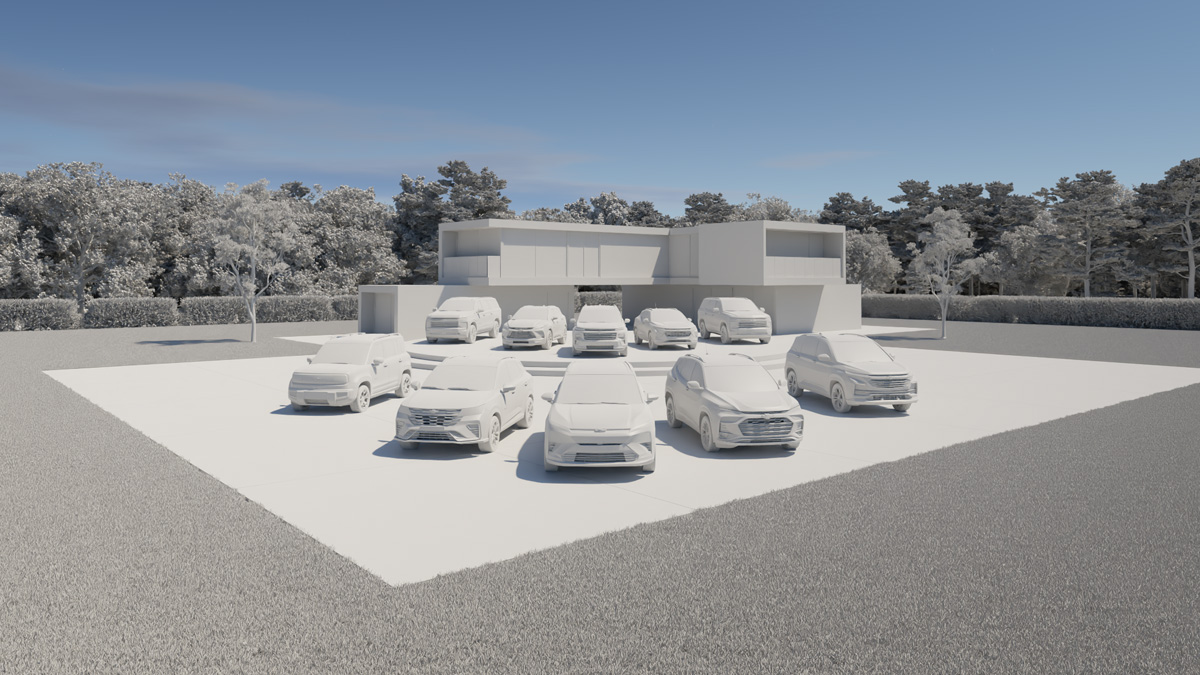
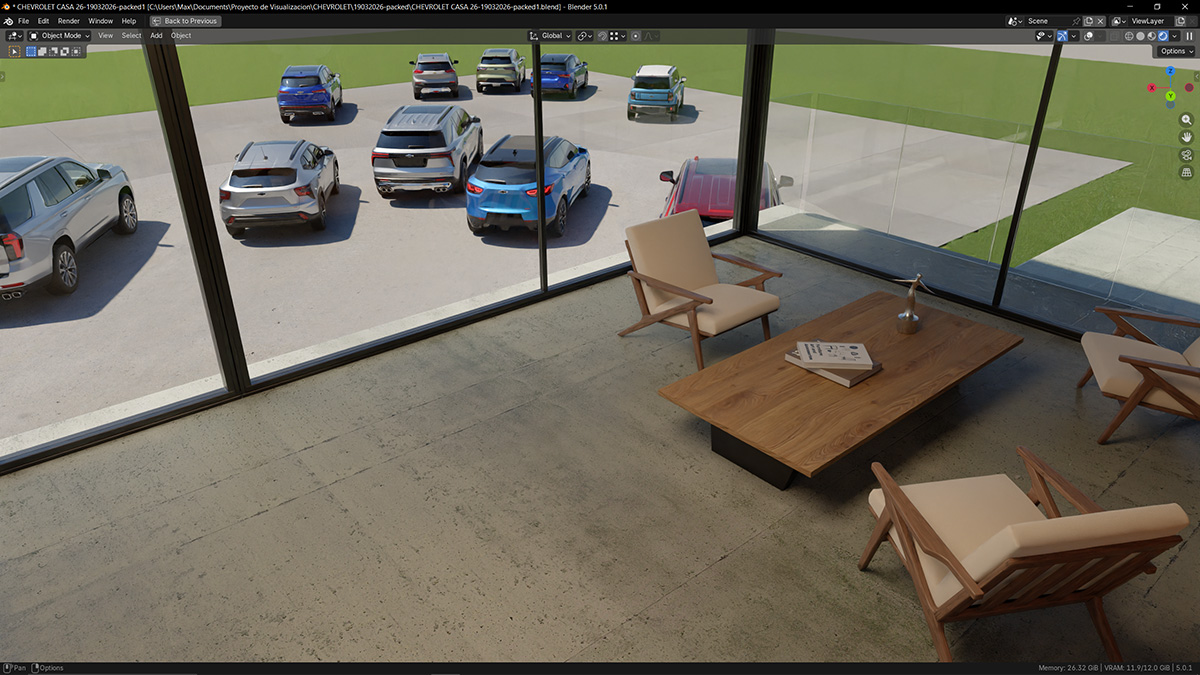
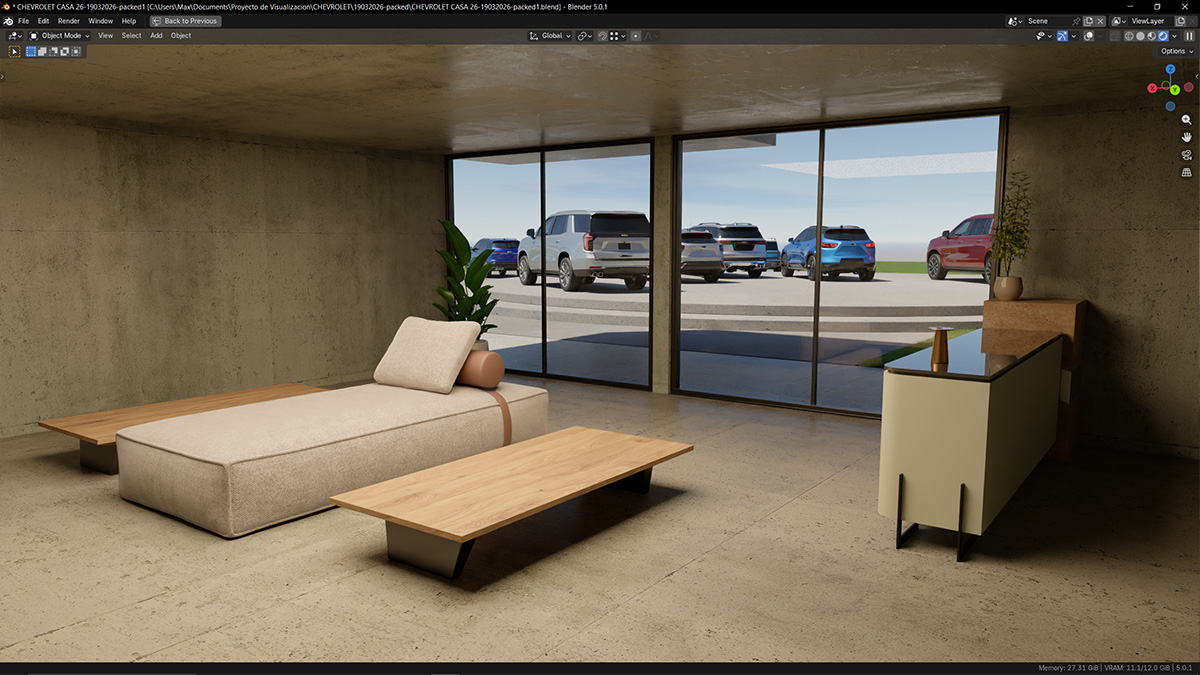
AF restructured the production approach by developing a fully controlled CGI environment, replacing the limitations of partially generative workflows.

This allowed for:

  • Consistent camera logic across all vehicles
  • Physically accurate lighting behavior
  • Cohesive spatial relationships within the scene

Instead of adapting to the constraints of mixed-source assets, the entire environment was rebuilt to respond as a single system.

Vehicle Accuracy Without CAD

Without access to CAD, AF reconstructed the vehicles from high-quality base models—ensuring correct geometry, market-specific details, and physically accurate material behavior.

Production-level accuracy was achieved without original manufacturer data.

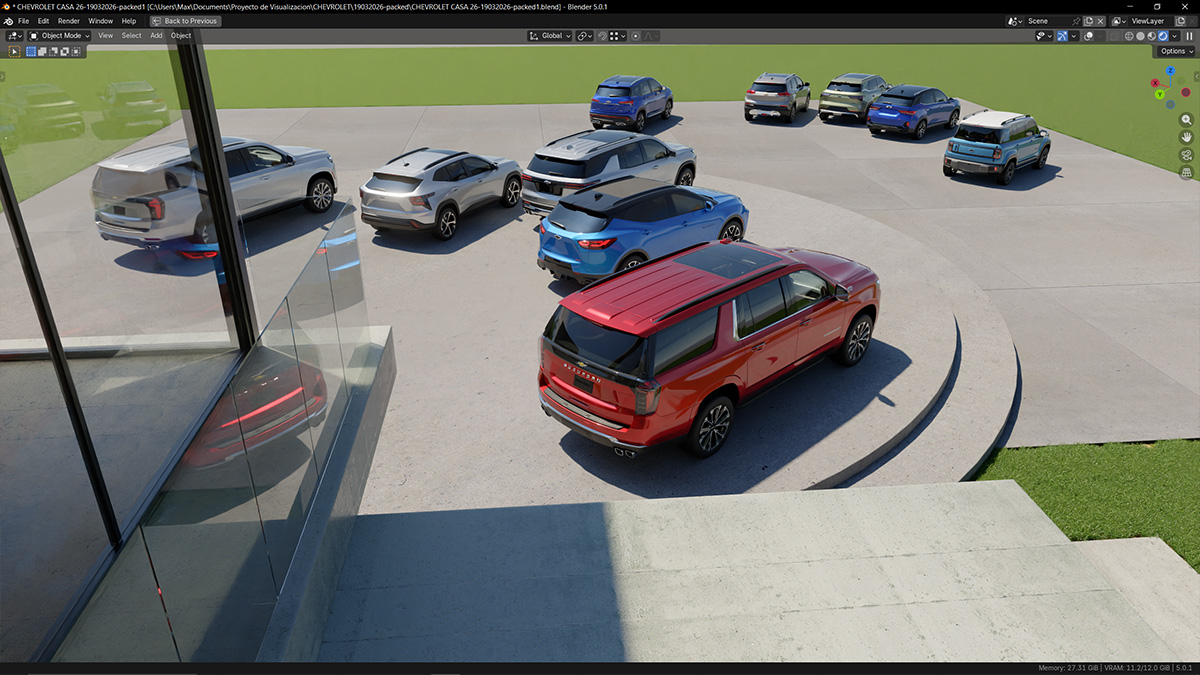
Family shots are inherently constrained by physical limitations—space, logistics, and camera positioning—often forcing compromises in composition; by moving to a fully controlled CGI environment, AF eliminated these constraints entirely, designing the scene with precise spatial control and elevating the rear lineup to ensure full visibility across all vehicles—allowing the composition to be defined by intention, not by physical limitation.

Integrated Automotive Expertise as a System Advantage

High-level automotive visuals depend on control, not intent—by unifying environment, vehicles, and lighting under one pipeline, AF delivers accuracy, consistency, and scalability regardless of source limitations.